Friday 31 October 2025 01.00
| Updated:
Thursday 30 October 2025 15:58
A motor vehicle financing battle, a large impairment charge and the shadow of 2008 all influenced the bank’s third-quarter results, but through the fog investors gave the leading FTSE 100 lender credit for the quarter ahead.
The FTSE 350 bank index has risen almost four per cent this month and is up 17 per cent on the year.
Things haven’t been smooth sailing for London’s leading lender. HSBC and Lloyds both missed analysts’ profit expectations in the third quarter and Barclays only narrowly achieved targets.
However, Natwest and Standard Chartered missed estimates, with Standard Chartered posting its highest quarterly profit since before its taxpayer bailout in 2008.
The FTSE 100’s ‘Big Five Banks’ recorded combined pre-tax profits of £12.3 billion in the three months to September. This is less than the £12.8 billion in the second quarter, which could not beat the 2024 comparison after HSBC’s £1.58 billion write-down.
Despite this, the five banks enjoyed a surge in shares after releasing their latest financial reports.
Peter Rothwell, head of banking at KPMG UK, said: “The quarter had major challenges… but if you look at the current environment, the fundamental picture for the UK’s big banks is very constructive.”
Wealth and high interest rates paid off
Although interest rates have fallen from a post-financial crisis high of 5.25 percent reached in August 2023 and only reduced one year later, bank interest income remains strong.
Natwest’s net interest income rose 13 per cent year-on-year to £9.4 billion. The bank’s net interest margin – which is a key measure of a bank’s profitability from lending – increased five basis points to 2.64 percent.
Meanwhile, Lloyds’ net interest income (NII) rose six per cent to £10.1 billion with higher average interest-earning assets of £460.4 billion.
The Bank of England has cut interest rates five times to four percent and Wall Street giant Goldman Sachs expects to make another cut next week.
But Lloyds, Barclays and Natwest each still raised their earnings targets for the full year.
Lloyds estimates net interest income at £13.6 billion – although up slightly from £13.5 billion. Barclays is aiming for a NII “greater than £12.6 billion”.
Natwest expects full-year revenue to hit £16.3 billion, up from £16 billion in the half-year result and around £15.7 billion previously.
Russ Mould, investment director at AJ Bell, said: “[Natwest’s] Traditional lending activity – both in the mortgage and corporate markets – helped the company to beat quarterly profit estimates by an attractive amount and has seen guidance for full year earnings and yields edge higher.”
The company’s retail banking arm made an operating profit of £850m, driven by growth in mortgage lending of £1.7bn.
For HSBC and Standard Chartered, wealth is once again coming to the fore as Asia-focused banks ramp up their divisions to serve high-net-worth audiences.
HSBC’s Wealth Fee revenue in Hong Kong grew 61 percent to $646 million following increases in insurance and investments. This helped the bank avoid the Madoff fraud scandal, which put the lender on the hook for $1.1 billion.
Standard Chartered’s wealth income jumped 27 percent to $890 million in the quarter.
Despite the “disruption” credit quality remains “resilient” while “investments in wealth continue to pay off, and the ‘higher for longer’ interest rate environment continues to support net interest income,” Rothwell said.
Cost-saving remodels are increasing
The quarter comes as UK banking leaders continue a cost-cutting overhaul to tighten the pockets of their respective lenders.
Rothwell said: “Fixed fee discipline has become an important part of the bank’s strategy, and results are starting to reflect that.”
Georges Elhedery – who takes charge of HSBC in October 2024 – has laid out an ambitious plan to save $1.5 billion by 2026.
The World Bank has focused its attention on Asia and the Middle East for this growth and is winding down operations across Europe as part of the overhaul.
Finance boss Pam Kaur reaffirmed the UK as one of the bank’s “home markets” following the results release and said the lender “participates in the economic growth of certain sectors in the UK”.
Pre-tax profits at UK bank HSBC fell to £1.8 billion from more than £1.9 billion in the second quarter.
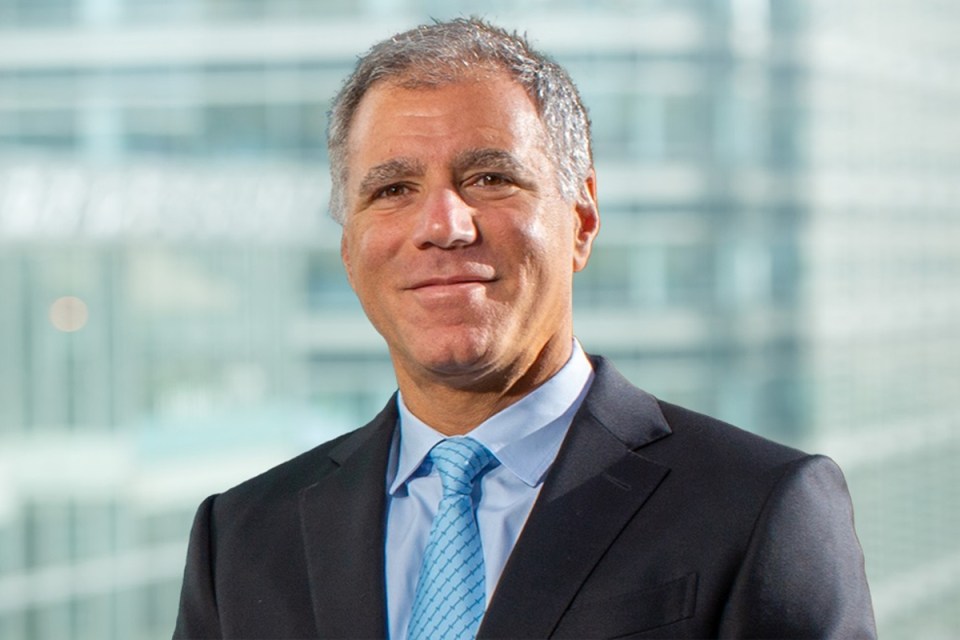
Another bank eyeing the Middle East is Barclays, whose chairman CS Venkatkrishnan – known as Venkat – said the bank would restart operations in Saudi Arabia after 11 years.
Venkat has laid out his own plan for a strategic cost-saving drive, in which he targets a return on tangible equity – which is an important profit metric – of more than 12 percent.
The bank also plans to return more than £10 billion to shareholders by 2026 – a goal it aims to achieve by taking a bolder step by launching a £500 million buyback in the third quarter.
Barclays also said it would switch to quarterly buybacks as part of its efforts to improve customer profits.
The lender has forged partnerships with tech giants in the past year to step up cost-saving efforts.
Natwest and OpenAI have entered into a partnership to improve the bank’s digital assistant, while Lloyds has sent a number of top bankers to Cambridge University for AI training.
“While it is still too early to reap the full benefits of technology and AI investments, the signs are increasingly positive,” Rothwell said.
Taxes, motorbikes and fraud
But the noise around the area was still enough to make the entire city nervous.
A motor vehicle finance redress scheme proposed by the Financial Conduct Authority (FCA) has attracted strong opposition from the banking industry, which has been reluctant to increase its provisions.
Barclays has almost doubled the funds set aside to £300m while Lloyds – the owner of the country’s biggest motor vehicle finance lender – has raised the provision to £2bn.
The Spanish-headquartered lender and leading banking giant Santander also took action against the watchdog by urging the government to intervene when it wrote off third-quarter results in the UK.
However, Lloyds shares closed near a 17-year high at 85.46p on the day the company released its third-quarter results – even after warnings that the FCA’s actions could wipe out 20 years of the car finance industry’s profitability.
The City Regulator also appeared to stay the course on the redress scheme with a statement after Santander’s update saying: “The alternative would cost more and take longer. It is vital that we limit this problem so that the trusted motor vehicle finance market can continue to serve millions of families every year.”
Rothwell said: “Banks need to continually monitor residual exposure, the adequacy of reserves and the impact on customer behavior and loan volumes.”

Although HSBC is not exposed to the auto financing market, the bank experienced scandals for two consecutive quarters after being forced to provide $1.1 billion in funds for the Madoff fraud scandal.
The decision comes after a court in Luxembourg rejected the bank’s appeal against a Cayman Islands-based feeder fund that accused the bank of demanding restitution of securities lost in an investment fraud saga.
But the move was not on the radar of the bank’s share price, with its third-quarter results reversing losses incurred the day before when the provisions were made and generating further profits.
HSBC’s finance boss confirmed the bank was closely monitoring private credit markets, which have spooked global markets in the last month.
Barclays imposed a “single name” credit impairment charge of £110m on its investment banking arm related to Barclays’ exposure to Tricolor – a US car dealer that sent jitters through private credit markets after its collapse due to loan defaults.
Earlier this month, the FTSE 100 suffered its worst session since April’s tariff chaos after US jitters spread to the UK.
Barclays shares fell as much as 6.75 percent on Friday morning, before paring some of those losses and ending the day down 4.3 percent. Lloyds, HSBC and Standard Chartered share prices all fell by at least 2.5 percent.
Although top lenders said they remained vigilant – with America’s most influential banker Jamie Dimon warning there were “cockroaches” in the market – shares quickly recovered after a brief decline.
A major blow to Britain’s banking world may come on November 26 when Chancellor Rachel Reeves delivers her second Budget.
Banks are prime targets for potential tax attacks or surcharge increases that exceed lending corporate taxes.
The bank levy is set at three per cent, but reports suggest it could be increased to five per cent – effectively setting the lending corporate tax at 30 per cent.
In August, Natwest lost five per cent as speculation of a bank tax attack mounted.
More than £8 billion worth was wiped from the City market after shares in the banking giant plunged.
Ruth Gregory, deputy chief UK economist at Capital Economics, said: “We expect households and banks will bear a higher tax burden.”
Capital Economics rates an increase in surcharges and a bank levy on lenders’ quantitative easing profits as the two most likely tax increases in the Autumn Budget.
News
Berita
News Flash
Blog
Technology
Sports
Sport
Football
Tips
Finance
Berita Terkini
Berita Terbaru
Berita Kekinian
News
Berita Terkini
Olahraga
Pasang Internet Myrepublic
Jasa Import China
Jasa Import Door to Door